


For more than twenty years, Movember has listened to men and the people who love them. We’ve heard stories of resilience and recovery: men striving to be well socially, physically, and mentally. We’ve also heard stories of struggle: men not knowing their risks, not feeling equipped to act, or having poor experiences when they reach out for help.
These are not tales of indifference. They are accounts of barriers, inequities, and missed opportunities that shape men’s lives and, in turn, the lives of their partners, caregivers, families, and communities.
Our Real Face of Men’s Health 2025 United States report (launched 8 Oct 2025) brings those stories into sharper focus. As the first of its kind in the United States, this comprehensive report combines national health data, two large-scale surveys, and the authentic voices of caregivers. Together, these data paint a portrait of urgent challenges but also of practical, evidence-based solutions in a US-context. Men’s health is not a side issue. It is central to family wellbeing, community vitality, and the nation’s social and economic health.

Men in the United States die too young, and inequities are stark
53% of male deaths in the US occur before men reach the age of 75 years. 75 years is a common standard for premature mortality, or dying before an age that most people in high-income countries like the US can expect to live to in the absence of significant health risks. Men account for more than 3 in 5 premature deaths in the US in the most recent year of national data.
These patterns are not primarily biological. They reflect systemic inequities in access to care, economic security, safe environments, and chronic stress. Black men and American Indian and Alaska Native men have never reached an average life expectancy of 75 years. In these communities, early death is not an exception but the norm; a generational reality shaped by structural racism, poverty, and geographic isolation.
The costs of this premature mortality are staggering. In 2023 alone, treating heart disease, opioid use disorder, COPD, lung cancer, and suicide in men cost $120.8 billion in direct medical spending, with another $299.8 billion lost to productivity and wages. Upwards of 85% of these costs are considered preventable. The sad truth is that over $420 billion a year is being drained from families, communities, and the US economy because men are dying too young.
Mental health and social disconnection are driving crises
Mental ill-health has surged among men in the past decade, with younger men facing the steepest increases. Reported rates of mental ill-health rose by 85% among men aged 30–34 over the past ten years. Anxiety, depression, and distress are compounded by rising social isolation, as men’s networks grow thinner and less emotionally supportive.
Loneliness itself has become a public health threat, “comparable in its health impact to smoking or obesity.” One in four U.S. men aged 15–34 reported feeling lonely “a lot” of the previous day; the highest rate among young men in any wealthy country. Suicide is now the fourth leading cause of premature death for men, with men 3.6 times more likely to die by suicide than women. Among older White men, suicide rates spike again, reaching three to four times higher than other groups in later life.
These are not isolated tragedies. They reveal a generational urgency: without stronger social connection and mental health support, more men - fathers, brothers and sons – will die too early, for largely preventable reasons.
Caregivers are the unexpected face of men’s health
Behind every story of illness or recovery is someone providing unpaid care. Most often, it is wives, daughters, mothers, or sisters. Their invisible labor sustains men’s health but comes at a high personal cost. As one caregiver put it, “It is an overwhelming issue and it has taken time to adjust and manage the stress and enormity of it.” Another described living with “worry and anxiety always in my mind.”
44% of caregivers report that their own mental health has declined because of caregiving. Women caregivers report net negative impacts across eight of nine areas of life, from personal time and energy to career and finances.
Yet there are positives too: 84% said caregiving gave them more quality time together, and 83% said it deepened their understanding of one another. These insights point to an essential truth: recognizing caregivers as central to men’s health policy is not optional. It is essential.
The perception gap in masculinity
Ideas about what it means to “be a man” strongly shape health behavior. On the one hand, 95% of men agree that “taking care of your health is a sign of self-respect.” On the other hand, 41% say “avoiding regular check-ups is just part of being a guy.”
The problem is not that men don’t care about health. It’s that cultural expectations, and especially misperceptions about what other men believe, keep them silent. Men consistently underestimate how many of their peers support open sharing of emotions, fears or vulnerabilities. This “perception gap” reinforces stigma, creating a cycle where men act as if they are alone in wanting care or connection, even when they are not.
Closing this gap is key to reframing masculinity as a foundation for responsibility, connection, and care.
Men want to be part of the solution
Contrary to stereotypes, men are not indifferent to their health. 71% of men say their decision to seek care begins with their own judgment, not someone else’s urging. Many want closer friendships, more preventive care, and stronger community ties.
Yet 62% delayed seeking care for more than six days after symptoms began, and 17% waited six months or longer. Only 21% of men say their provider “always” asks about social or personal factors affecting health. Men’s willingness to act is there. What’s missing is a health system and a culture that meet them where they are.
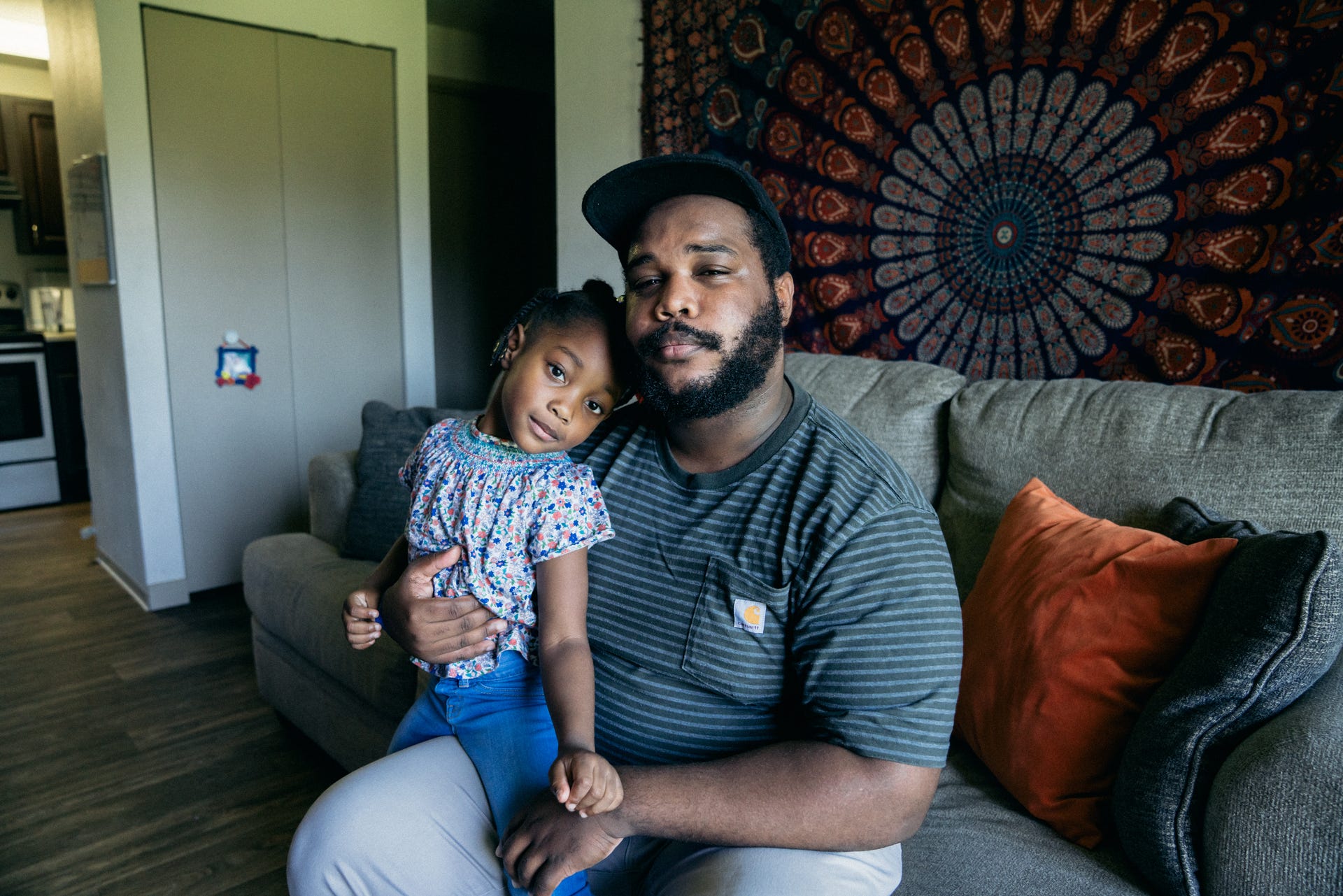
Men’s health has ripple effects across families, communities, and generations
The way forward
Improving men’s health is a whole-of-society project. Policymakers can treat men’s health as a public health priority - creating permanent state-level bodies to track progress, as Utah and Florida have already done. Healthcare providers can use every appointment as an opportunity to ask about connection and mental health, not just physical symptoms. Philanthropy can scale up community-based programs that we already know work: barbershops, sports teams, faith-based approaches, peer groups, digital hubs, podcasts, and more. Employers can make space for caregiving and mental health. And men themselves can take proactive steps to strengthen their own health while contributing to healthier families and communities.
Because men’s health is never just about men. When men thrive, those closest to them thrive too. When men neglect their health, the ripple effects stretch across families, workplaces, and communities.
We have the evidence, the tools, and the stories. What’s needed now is the will to act.